
Case Study: Successful Transformation of a Historic Home

Introduction
Transforming a historic home is a journey that beautifully merges the past with the present. This case study explores the successful transformation of a historic home, highlighting the challenges faced, the innovative solutions implemented, and the stunning results achieved.
Understanding the Historic Context
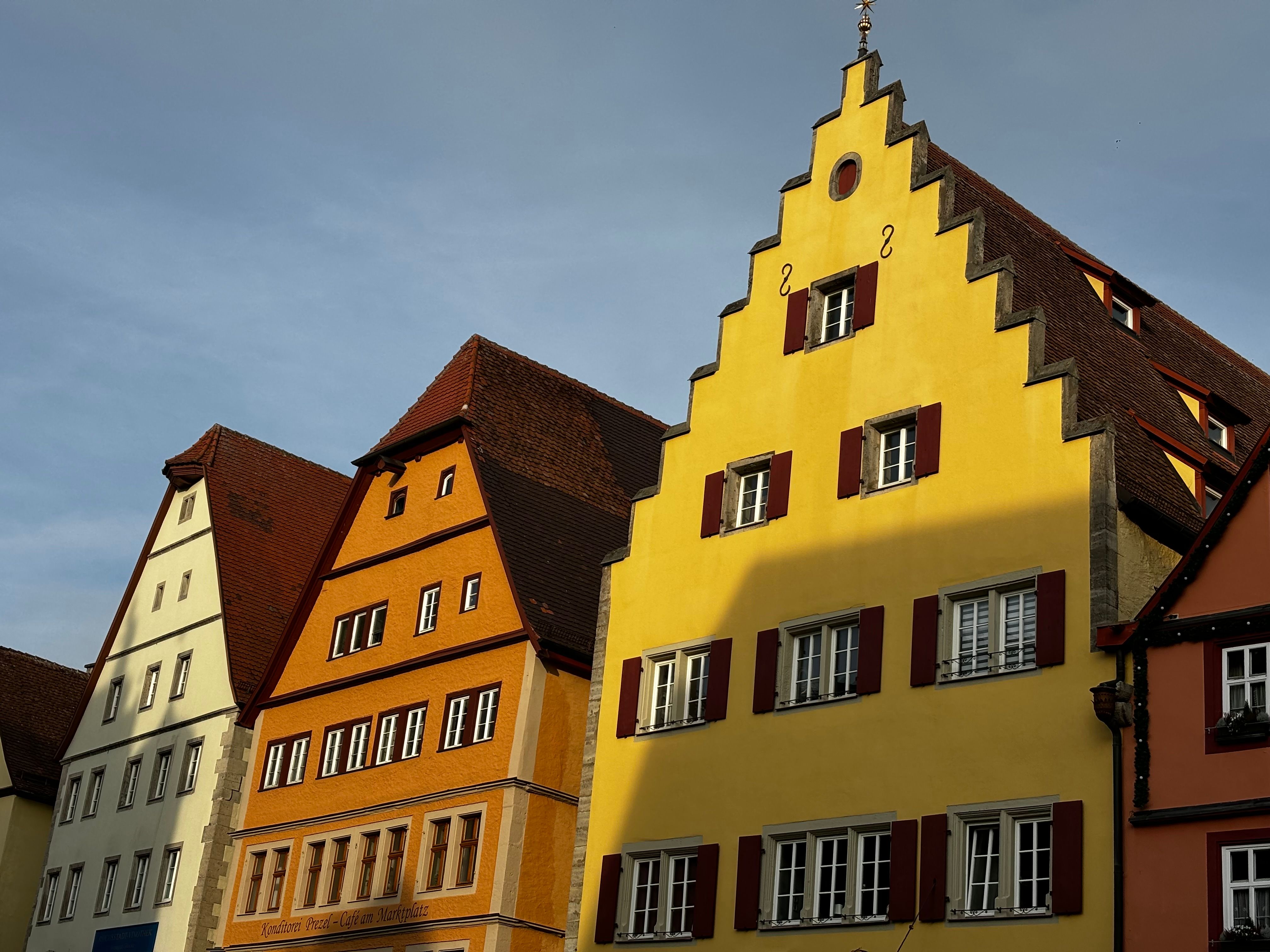
The home, built in the late 1800s, is a testament to architectural elegance. However, preserving its historical integrity while adapting it for modern living posed significant challenges. Understanding the original design and materials was crucial for a respectful restoration.
Research and Planning
The first step involved extensive research to uncover the home's history and architectural significance. Collaborating with historians and architects ensured that every alteration paid homage to the original design.
Modernizing with Respect
Balancing modernization with preservation required a creative approach. The team prioritized retaining original features, such as moldings and woodwork, while introducing modern amenities.
Innovative Solutions
To address structural issues, innovative solutions like underpinning and reinforcement were employed. These techniques ensured the home's safety without compromising its historical charm.
- Reinforced foundations for stability
- Restored original woodwork and moldings
- Integrated energy-efficient systems
The Role of Sustainability
Incorporating sustainability was essential in this transformation. Energy-efficient windows and eco-friendly materials were chosen to reduce the home’s environmental impact while enhancing comfort.

Eco-Friendly Upgrades
The installation of solar panels and a rainwater harvesting system not only modernized the home but also aligned with sustainable living practices. These upgrades significantly reduced the home's carbon footprint.
- Installed solar panels
- Integrated rainwater harvesting
- Used eco-friendly paints and finishes
Final Touches and Results
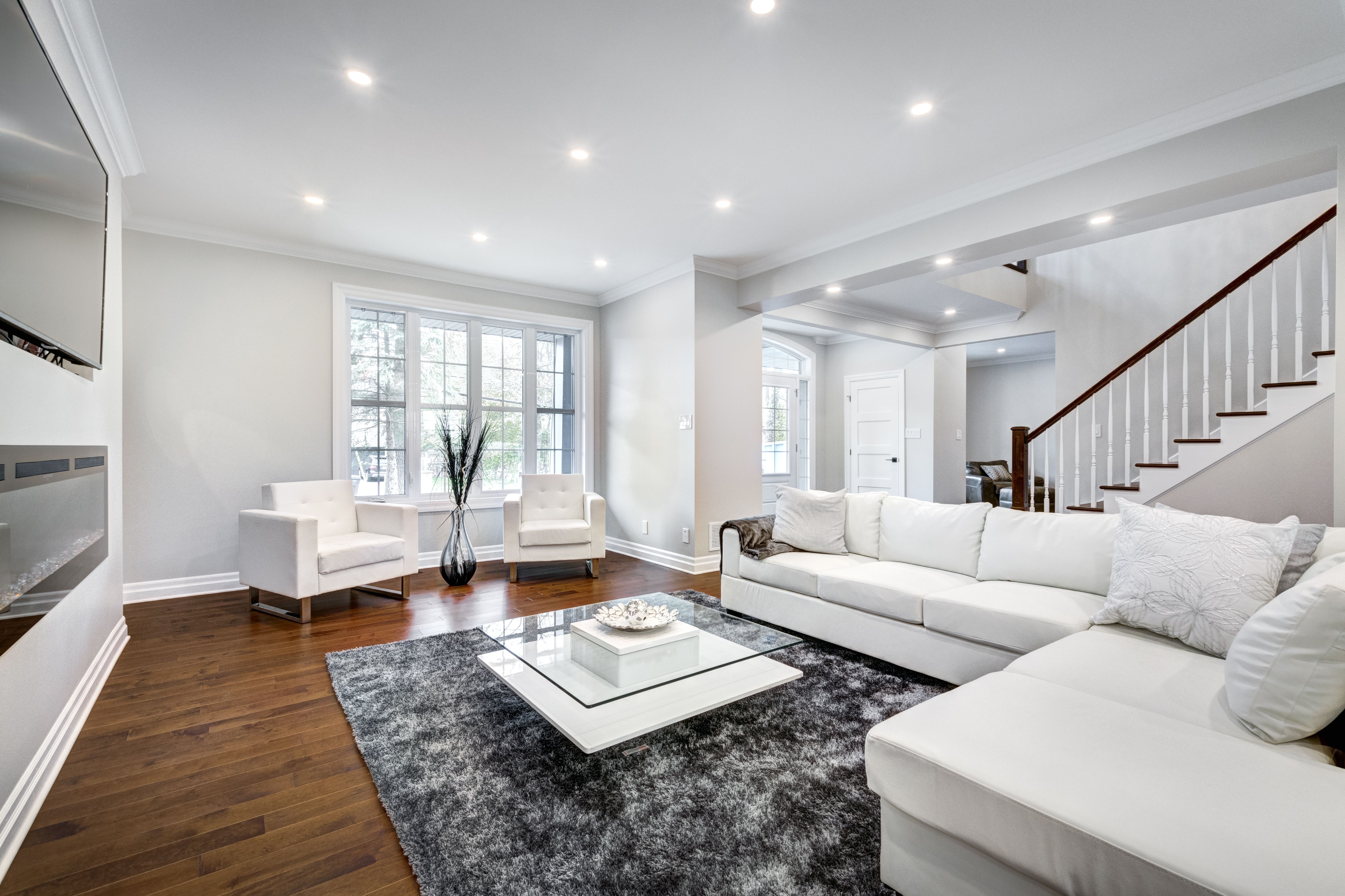
The transformation culminated in a harmonious blend of old and new, preserving the home's historical essence while providing modern comforts. The final touches included carefully chosen period-appropriate furnishings and décor.
Community Impact
This restoration not only revitalized the home but also contributed to the community's cultural heritage. It stands as a successful model for preserving history while embracing progress.
Conclusion
The successful transformation of this historic home demonstrates the potential of thoughtful restoration. By respecting historical integrity and embracing modern innovations, the project serves as an inspiring example for future restorations.