
Common Misconceptions About Building Restoration Services

Understanding Building Restoration
Building restoration is a crucial service that preserves the integrity and history of structures. However, many misconceptions surround this field, leading to confusion and hesitancy among property owners. By dispelling these myths, you can make informed decisions about maintaining and restoring your property.
Myth 1: Restoration Is the Same as Renovation
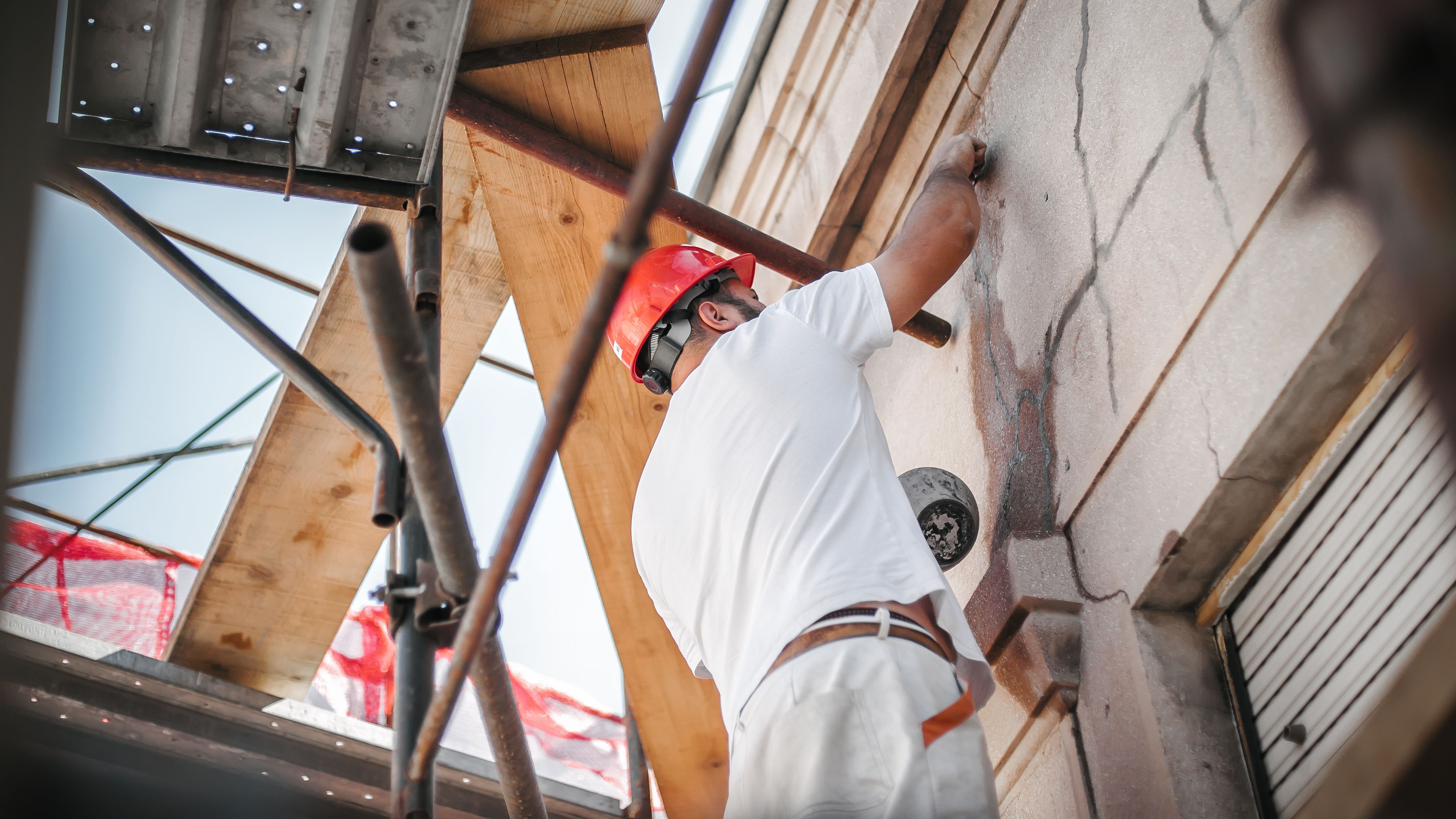
One common misconception is that building restoration and renovation are interchangeable. While both involve work on existing structures, they have distinct goals. Restoration aims to preserve the original look and feel of a building, often focusing on historical accuracy. In contrast, renovation may involve updating or changing the structure to meet modern needs and aesthetics.
Myth 2: Restoration Is Not Cost-Effective
Many people assume that restoration is prohibitively expensive. However, this is not always the case. When done correctly, restoration can actually be more cost-effective than demolition and rebuilding. Preserving existing materials and maintaining the original structure can save both time and resources in the long run.
Myth 3: Only Old Buildings Need Restoration
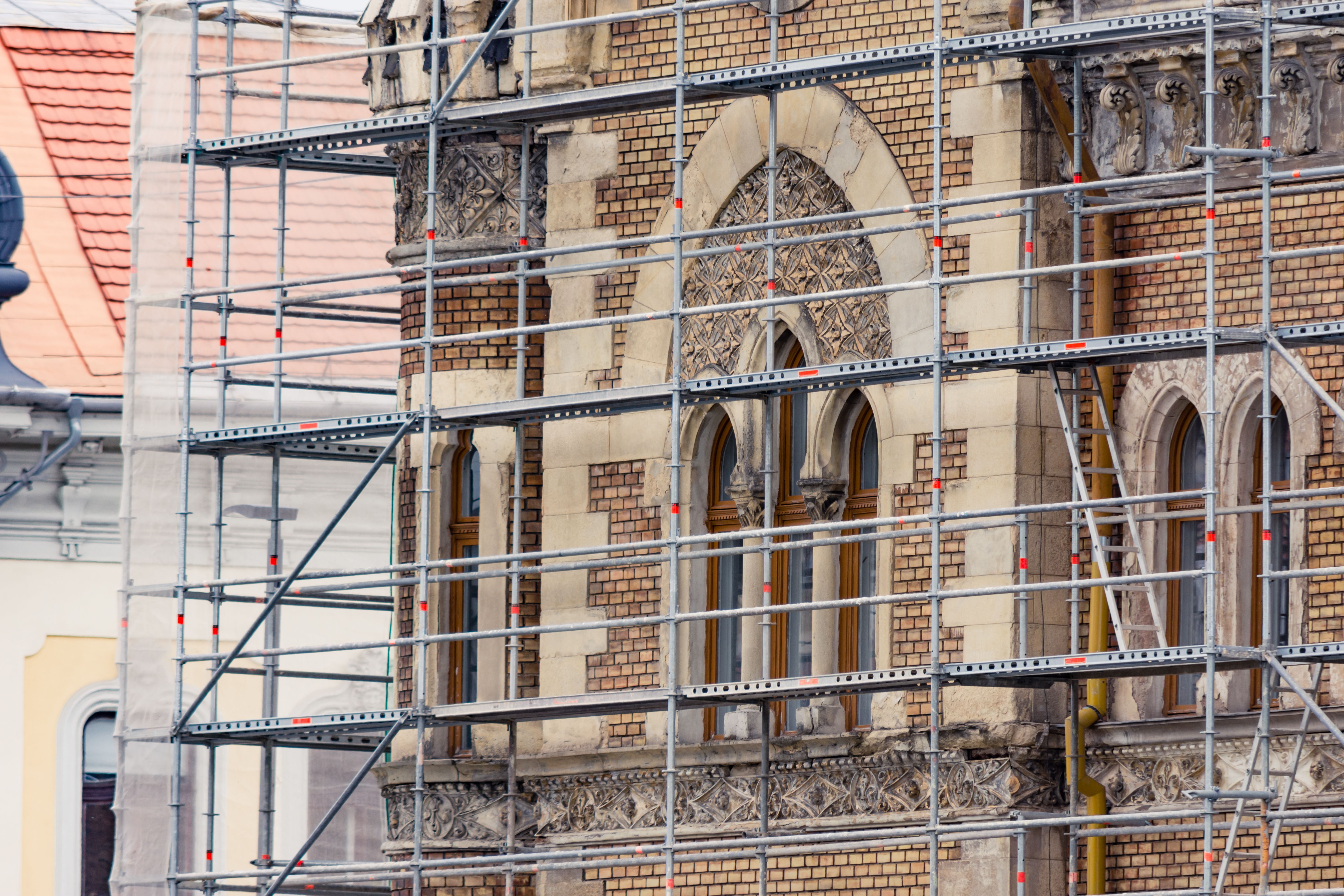
While it's true that older buildings often require restoration, newer structures can also benefit. Environmental factors, natural disasters, and wear and tear can affect buildings of any age. Regular maintenance and timely restoration can prevent minor issues from becoming major problems, ensuring the longevity of the structure.
Myth 4: Restoration Is Only for Aesthetics
Another misconception is that restoration is primarily for aesthetic purposes. In reality, restoration enhances both the structural integrity and safety of a building. By addressing issues such as water damage, weakened foundations, or outdated electrical systems, restoration contributes to a safer and more functional environment.

Myth 5: DIY Restoration Is Always an Option
Some property owners believe they can handle restoration themselves. However, this task often requires specialized knowledge and skills. Professional restoration services bring expertise in historical accuracy, material sourcing, and modern safety standards, ensuring that the project is completed to high standards.
Myth 6: Restoration Decreases Property Value
On the contrary, professional restoration can enhance property value. By preserving historical features and ensuring structural integrity, restoration can make a property more appealing to potential buyers. A well-maintained building is not only attractive but also a solid investment.

Conclusion
Building restoration is a valuable service that offers more than just aesthetic improvements. Understanding the true nature of restoration helps property owners appreciate its benefits, from preserving history to enhancing property value. By debunking these common misconceptions, we can make more informed choices about maintaining our beloved structures.