
The Benefits of Sustainable Materials in Home Renovations

The Growing Importance of Sustainable Materials
In recent years, the trend of using sustainable materials in home renovations has gained significant momentum. This shift is driven by an increased awareness of environmental issues and a desire to reduce the carbon footprint. Homeowners are now more inclined towards eco-friendly options that not only benefit the planet but also enhance the quality and value of their homes.
Sustainable materials are sourced responsibly, often recycled or reclaimed, and are designed to last longer. These materials minimize waste and reduce the need for frequent replacements, making them an excellent choice for conscientious homeowners.
Environmental Benefits
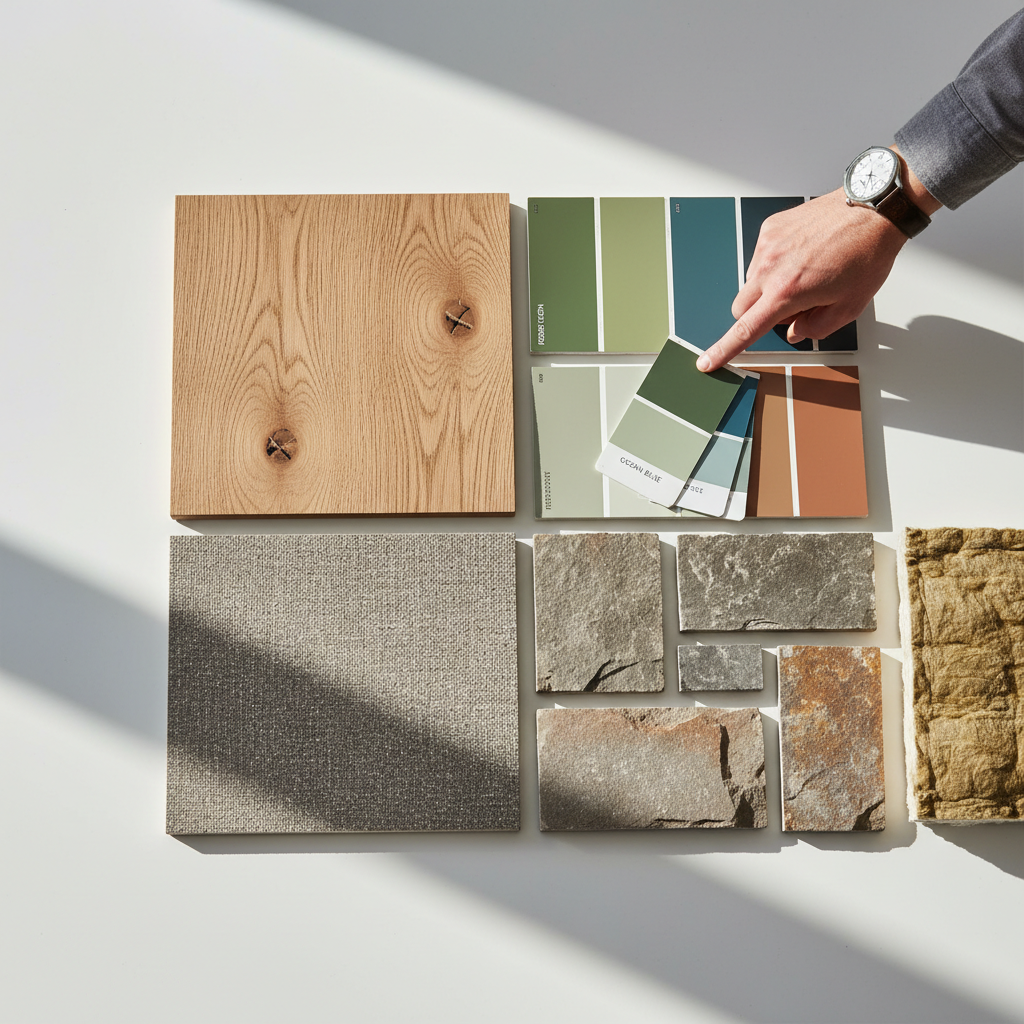
One of the most compelling reasons to choose sustainable materials is their positive impact on the environment. By opting for resources that are renewable or recycled, homeowners can help reduce deforestation and lower greenhouse gas emissions. For instance, bamboo is a popular sustainable choice because it grows rapidly and requires fewer resources to cultivate compared to traditional wood.
Additionally, using materials like recycled metal and reclaimed wood helps to reduce landfill waste. These materials are repurposed for new uses, giving them a second life and preventing unnecessary disposal.
Economic Advantages
While the initial cost of sustainable materials can sometimes be higher, they often prove to be more cost-effective in the long run. Durability is a key feature of many eco-friendly options, meaning they require less maintenance and fewer replacements over time. This longevity translates into savings on repair and replacement costs.
Moreover, homes built or renovated with sustainable materials often have a higher resale value. Buyers are increasingly looking for energy-efficient and environmentally friendly homes, making these properties more attractive in the real estate market.
Health and Well-being
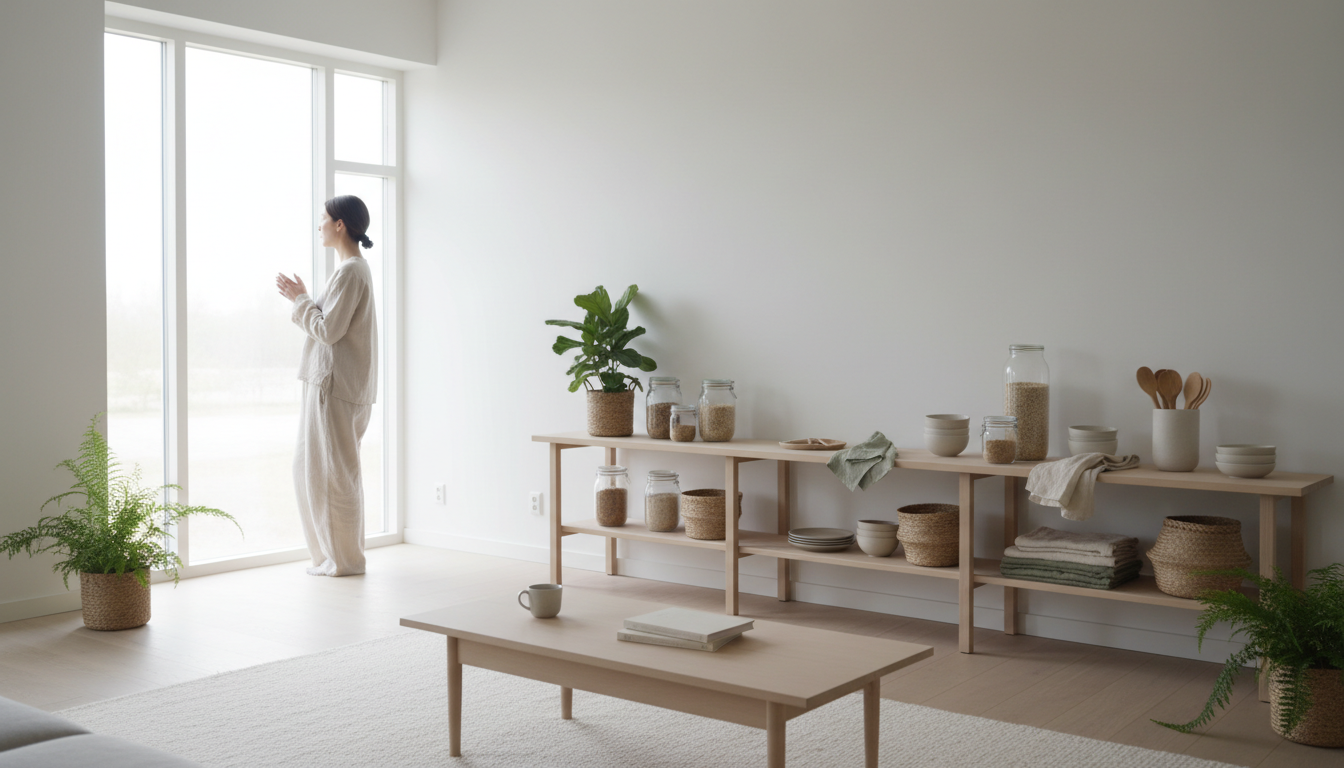
Beyond financial and environmental benefits, sustainable materials can also contribute to a healthier living environment. Many conventional building materials contain volatile organic compounds (VOCs) and other harmful chemicals that can affect indoor air quality. In contrast, eco-friendly materials are typically free from these toxins, promoting better air quality and overall health.
For example, natural insulation materials like wool or cellulose are not only effective but also safe and non-toxic. Choosing such materials can significantly reduce the risk of respiratory issues and allergies.
Stylish and Versatile Options
Sustainable materials come in a wide range of styles and finishes, offering versatility for any home design. From sleek, modern aesthetics to rustic, traditional looks, there are eco-friendly options to suit every taste. Materials like reclaimed wood and recycled glass can add unique character and charm to a home, creating a personalized and stylish space.

Incorporating sustainable materials into home renovations is more than just a trend—it's a responsible and beneficial choice. By prioritizing sustainability, homeowners can enjoy a beautiful, efficient, and healthy living space while contributing positively to the world around them.